Devotional 23 January 2026
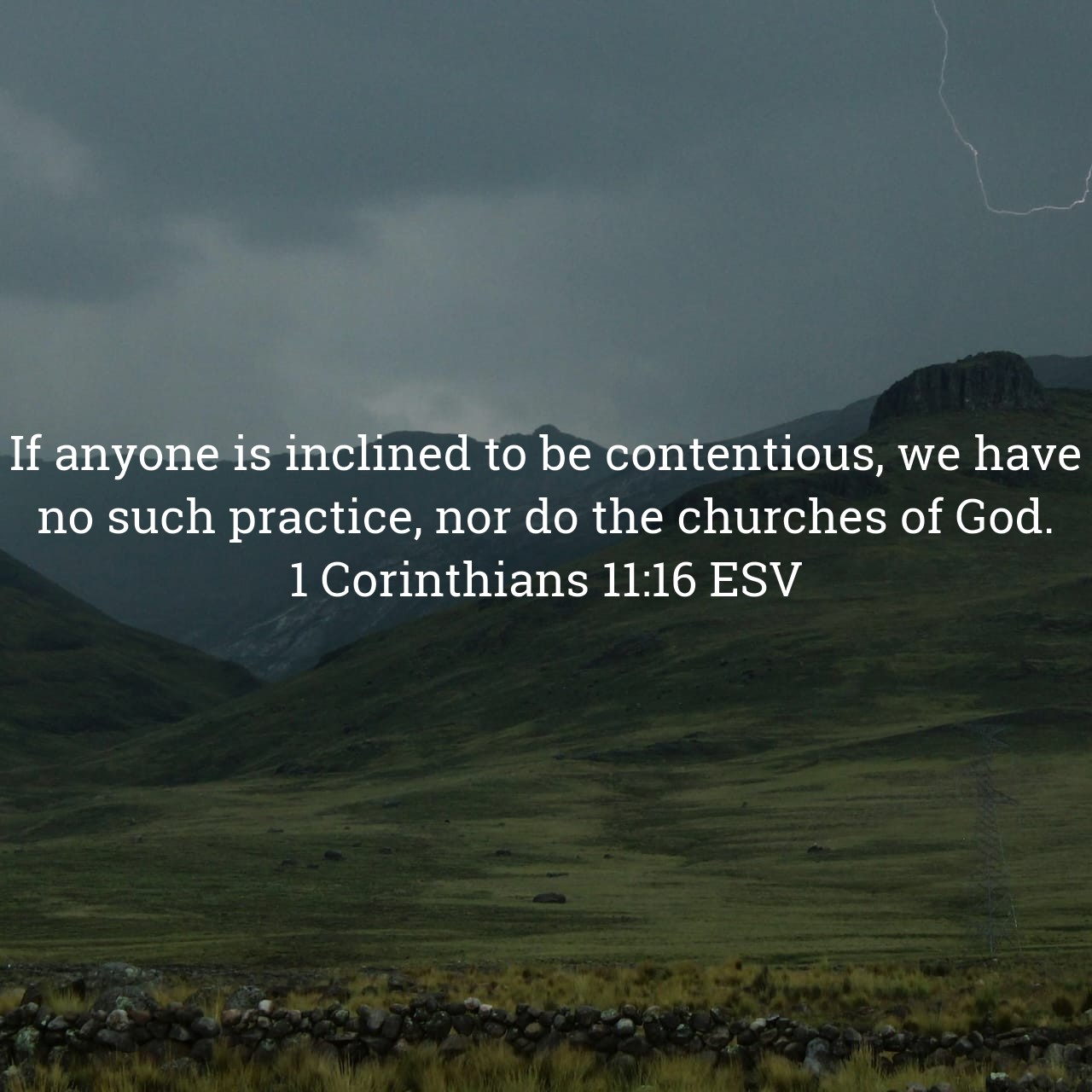
Paul closes this section by pressing the issue to the conscience. “Judge for yourselves,” he says (1 Corinthians 11:13). This is not an invitation to redefine worship, but a reminder that the Corinthians already know what is fitting. The problem is not ignorance, but the temptation to use Christian freedom to override moral intuition. Paul’s appeal to “nature” is often misunderstood. He is not claiming that certain physical traits are inherently sinful. Scripture itself records moments, such as the Nazirite vow, where men grew their hair long without shame (Numbers 6:1–21). The issue, then, is not biology, but meaning. In Corinth, certain outward distinctions carried moral weight. They communicated honor, authority, and order. To disregard those signals was to communicate something unintended in worship. This fits Paul’s larger argument throughout the letter. Christian freedom does not exist to erase conscience, but to be governed by love. “All things are lawful,” Paul has already said, “but not all things are helpful” (1 Corinthians 10:23). When a practice already feels dishonoring within a community, insisting on one’s freedom to practice it does not strengthen faith. It weakens it. Freedom that wounds conscience is not maturity, but pride (1 Corinthians 8:9–12). Paul then widens the lens. “We have no such practice, nor do the churches of God” (1 Corinthians 11:16). No believer, and no congregation, exists in isolation. Faithful worship considers not only personal conviction, but the broader body of Christ. Unity, order, and shared practice matter because worship is public and representative. What we do in worship says something about the God we serve and the relationships He has established. Christian obedience, therefore, is not measured by how far freedom can stretch, but by how willingly it submits. We do not honor Christ by pressing our rights, but by restraining them for the sake of love, conscience, and the good of the church (Philippians 2:3–8).